
The Bertrand family

The making of rosé wine: how is it produced?
Rosé wine, a typical wine from the south of France
Fruity, light, tangy or floral, rosé wine is a wine with multiple flavours that is increasingly appreciated in France, particularly during the summer season.
Easy to enjoy and particularly refreshing, it is therefore no surprise to see it served so often on a terrace, by the beach, by a swimming pool, or during a barbecue with friends.
Discover a selection of rosé wines from the south of France produced by Gérard Bertrand

How to serve rosé?
You may sometimes, or even often, find yourself enjoying a glass of rosé, that wonderfully refreshing wine that regularly accompanies our outings on terraces and in the sunshine!
But do you know how rosé wine is made?
First of all, it is important to know that rosé wine is produced like a classic wine, and that contrary to popular belief, rosé wine is not the result of a blend of red wine and white wine. We can go even further and say that rosé wine is at the very origin of winemaking. Indeed, produced since antiquity, rosé wine is surely the oldest type of wine.
Discover the rosé wine collections of the Gérard Bertrand estates and châteaux
So, how is rosé wine made?

The making of rosé wine
The process of producing rosé wine is very similar to that of red wine; only the duration of maceration, which is shorter for rosé, makes it possible to obtain a pale pink/salmon colour. Rosé wine is thus produced from black grapes with white flesh, such as Pinot Noir, Grenache, Syrah, Mourvèdre, Carignan, Cinsault or Malbec.
This is notably the case of the Or & Azur rosé wine collection, an AOP Languedoc cuvée designed by Gérard Bertrand, certified AB (organic wine) and Bee Friendly (preservation of pollinating insects), produced from Grenache and Cinsault grape varieties. If you didn't know, very few black grapes have coloured flesh. These belong to the category of grape varieties known as "teinturiers".
The pale pink colour of rosé wine is obtained through the skin of the grapes, and not through the flesh. It is during the pressing and maceration, when the grape juice is in contact with the skins, that it changes colour. Thus, the longer the maceration, the more intense the colour will be and the closer it will get to red.
Once the colouring and maceration phase is complete, the fermentation phase begins. Fermentation allows the sugars to be transformed into alcohol through the action of yeasts present naturally, or added by humans. Finally, before bottling, the wine goes through the ageing phase, in oak barrels for premium rosés or in stainless steel vats.
Ageing is a very important phase in the process of making rosé wine. Indeed, it is during the ageing process that the aromas and structure of the wine are developed. After the vatting, comes the final stage of bottling, which is, as its name suggests, the putting of the wine into bottles, and it will be sealed with a cork or a screw cap.
There you have it, you now know how rosé wine is produced!
All you need to do now is find out which best rosé wines to make the right choice!
To learn more about the different types of wine:
- Demeter biodynamic wine
- Organic rosé wine
- Organic Languedoc wine
- Rosé wine, the best rosé wine and the Languedoc rosé wine
- Orange wine
Presentation of the Gérard Bertrand group:
Our latest news
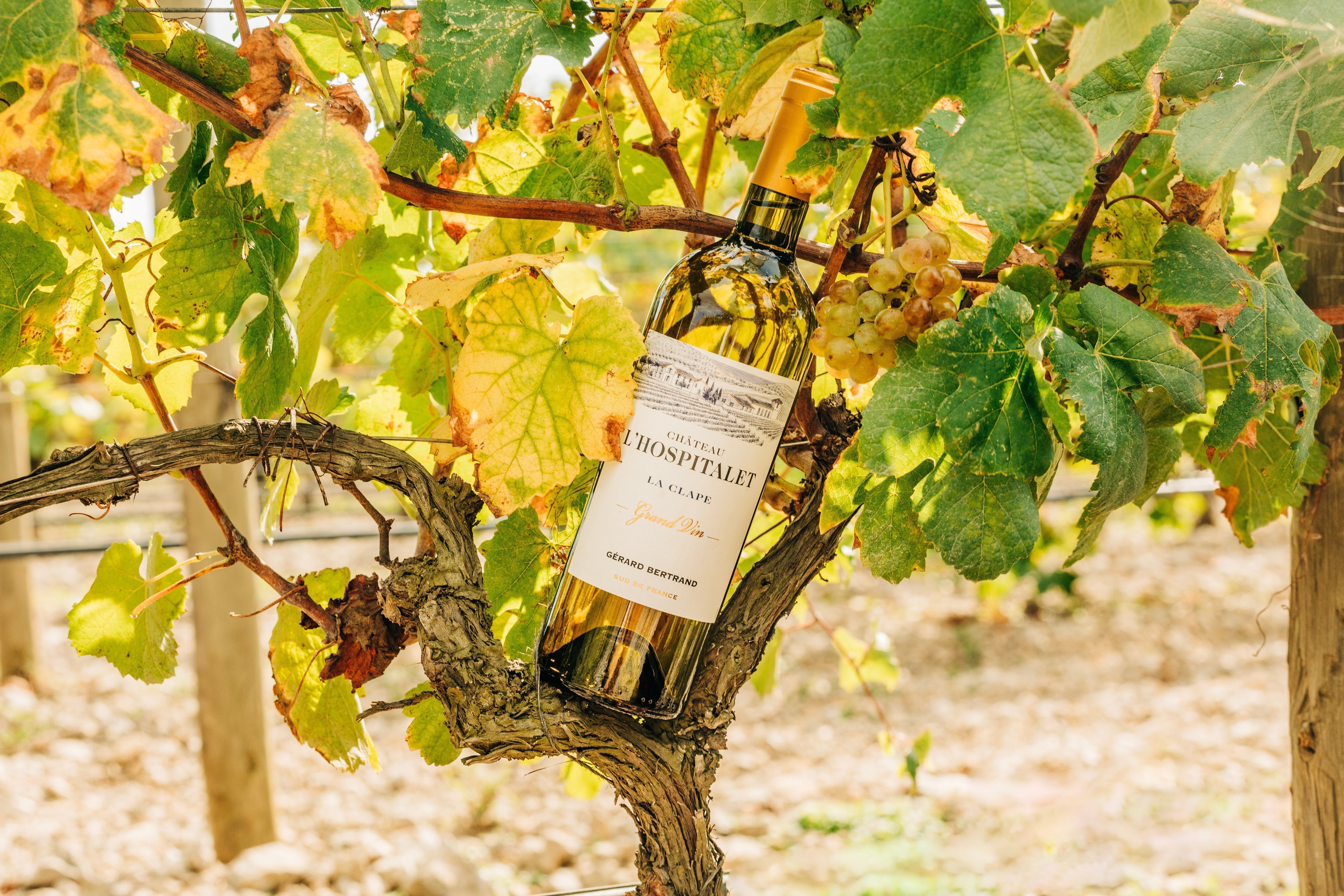
Château l'Hospitalet Grand Vin
Discover a Grand Vin White shaped by the sea, altitude and the minerality of La Clape.
Read the article
Win 2 VIP Tickets for Jon Bon Jovi — Hampton Water Competition
From 30 June to 15 August 2026, try to win 2 VIP tickets to the Jon Bon Jovi concert on 28 August in Edinburgh.
Read the article
A Second Life for Our Wooden Crates
A fine example of reuse: in Germany, our wooden crates are finding a second life with an association committed to protecting bats.
Read the article