
The Bertrand family

The story of a family passion for the vine
Who is Gérard Bertrand?
The pursuit of excellence with respect for biodiversity and the principles of biodynamics
The birth of a passion for wine and biodynamics
It was in 1975, in the vineyards of Château de Villemajou, in the heart of the Corbières, that Gérard Bertrand had his first harvest and discovered his passion for wine.
He would perfect his craft over twelve years alongside his father Georges Bertrand.
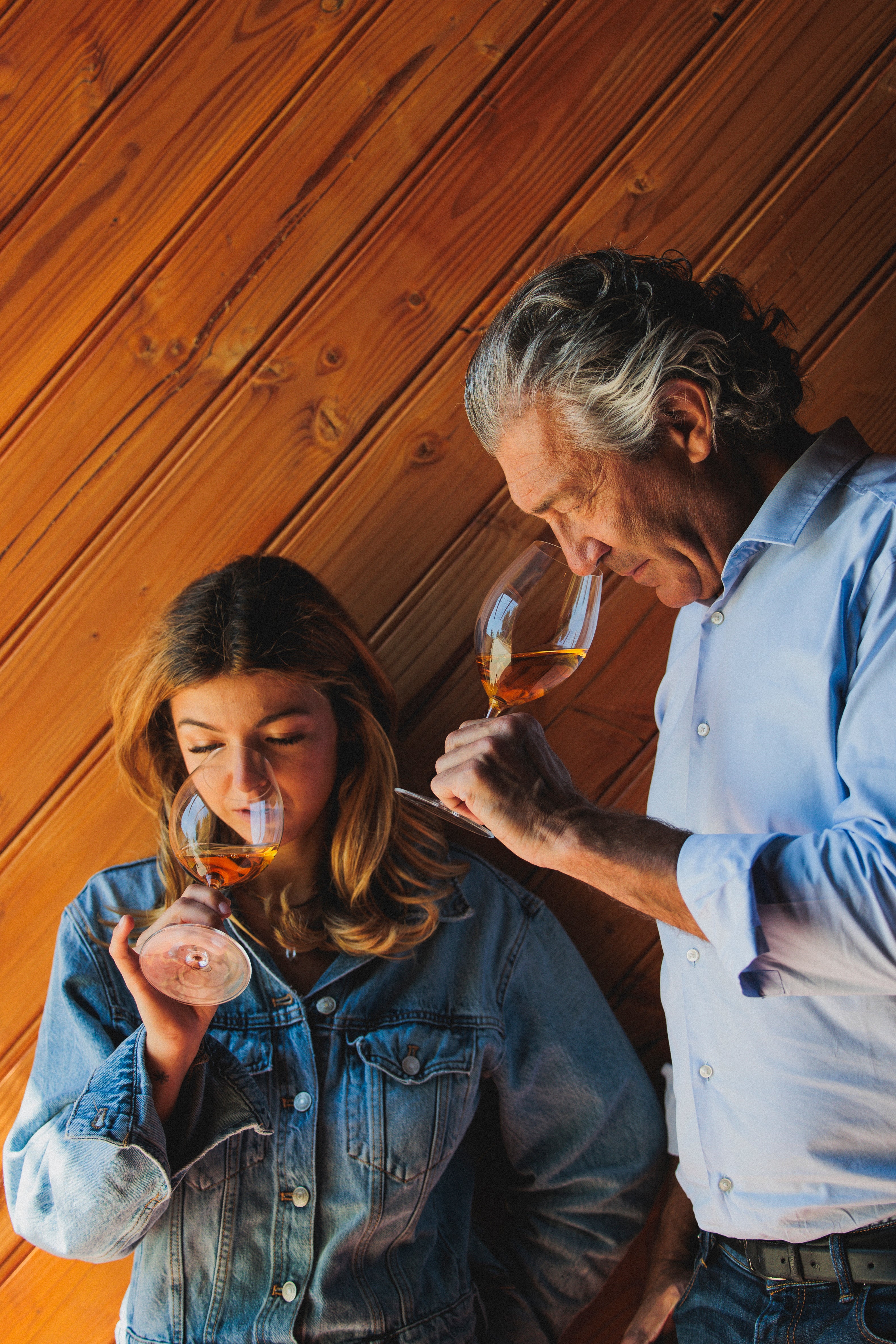
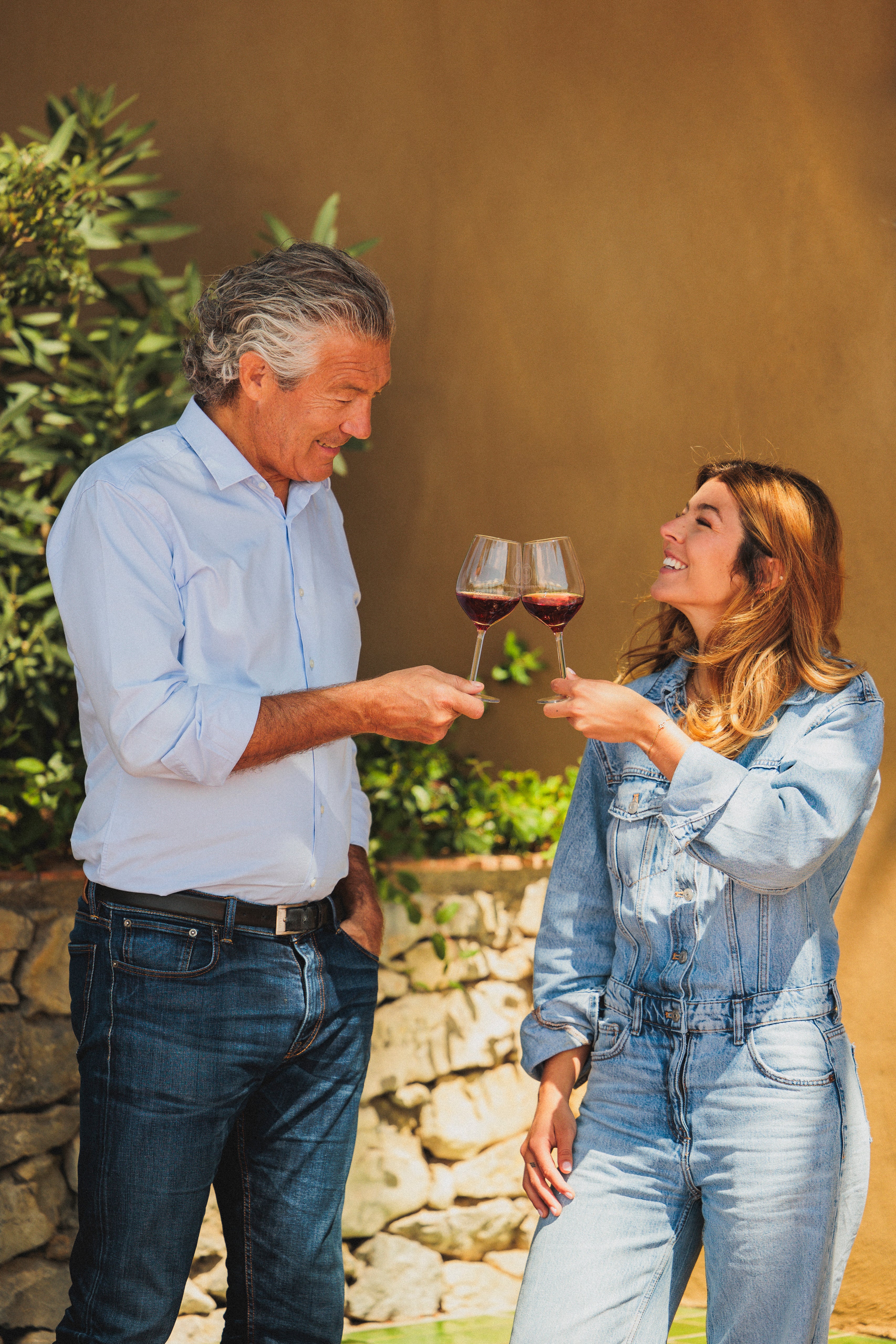
We are now in the fourth generation of winegrowers, from Paule to Georges, then Gérard Bertrand, and finally Emma & Mathias.
Deeply committed to the values of performance and excellence learned on the rugby field, Gérard Bertrand continues his quest: to reveal the finest terroirs of his region and promote them throughout the world.
It is in this spirit that he took over the family torch at Domaine de Villemajou following the accidental death of his father in 1987. Five years later, he founded the Gérard Bertrand wine company to develop a range of wines from the South of France.
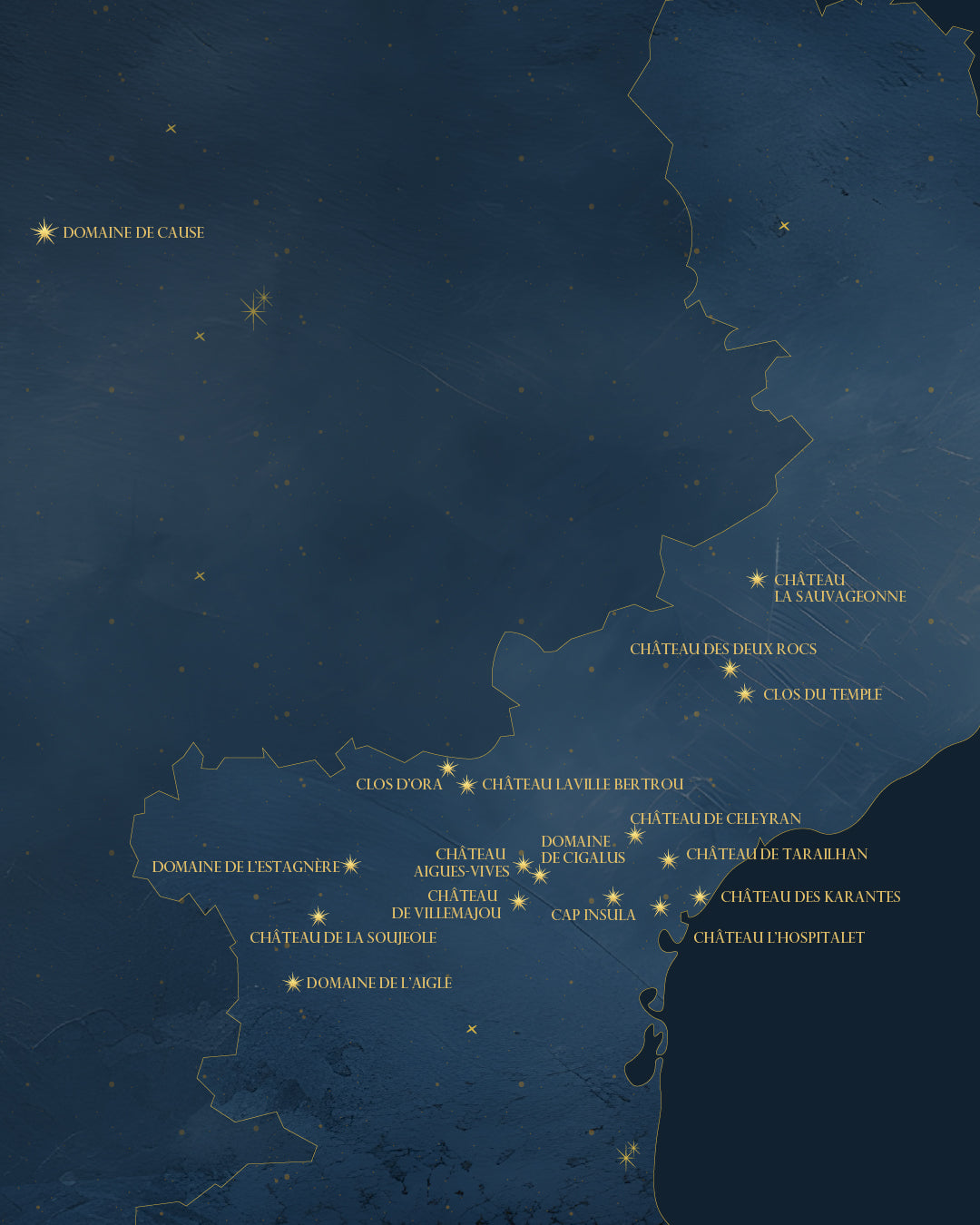
In the following years he acquired Domaine de Cigalus and Château Laville Bertrou.
The new gems and the enrichment of the diversity of Gérard Bertrand wines
The acquisition in 2002 of Château l'Hospitalet, in the La Clape natural park, between Roman Narbonne and the Mediterranean, allowed Gérard Bertrand to reach a new dimension.
Since then, the wonderful story has continued and new gems from iconic Languedoc terroirs have come to enrich the vision and diversity of Gérard Bertrand wines
Our latest news
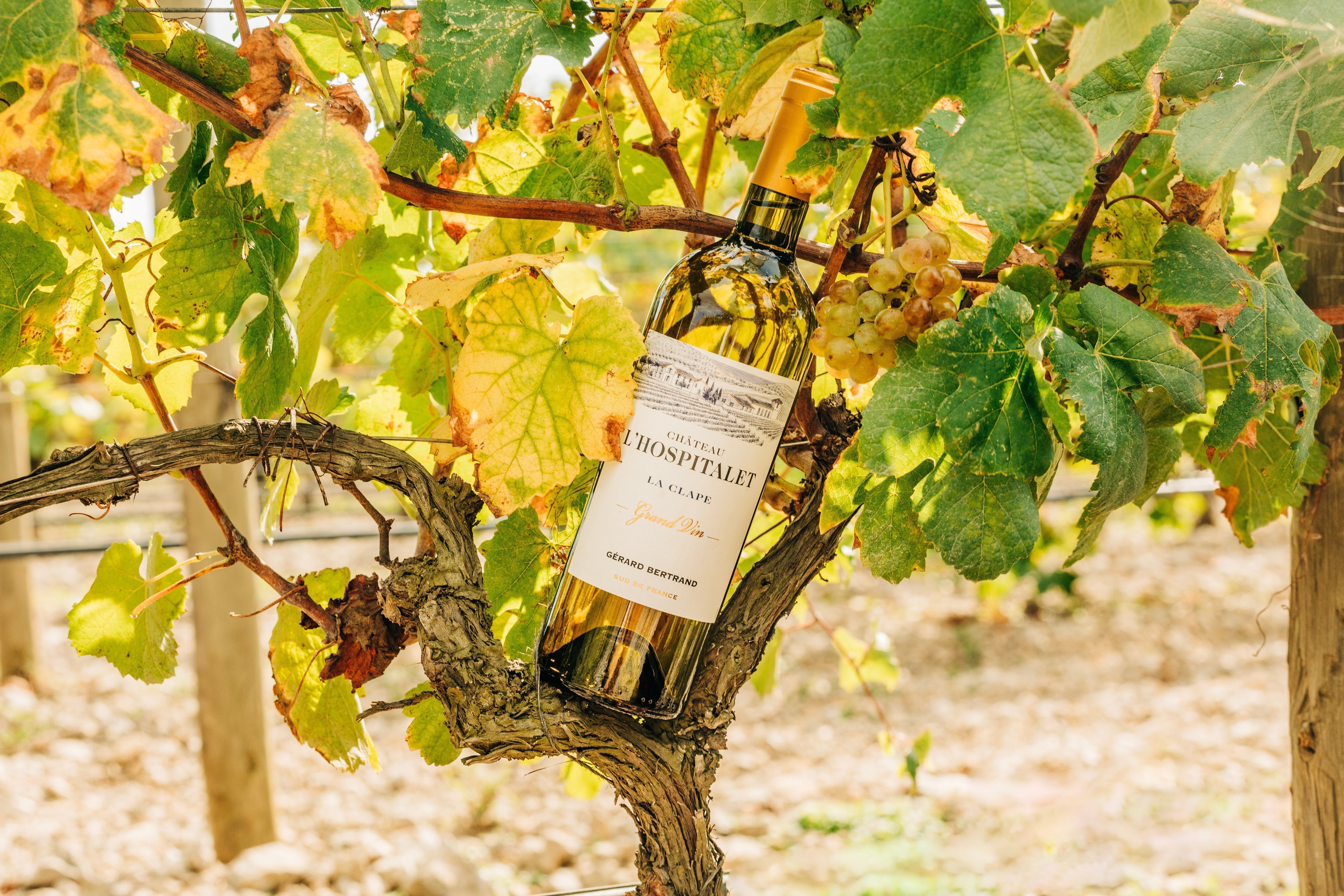
Château l'Hospitalet Grand Vin
Discover a Grand Vin White shaped by the sea, altitude and the minerality of La Clape.
Read the article
Win 2 VIP Tickets for Jon Bon Jovi — Hampton Water Competition
From 30 June to 15 August 2026, try to win 2 VIP tickets to the Jon Bon Jovi concert on 28 August in Edinburgh.
Read the article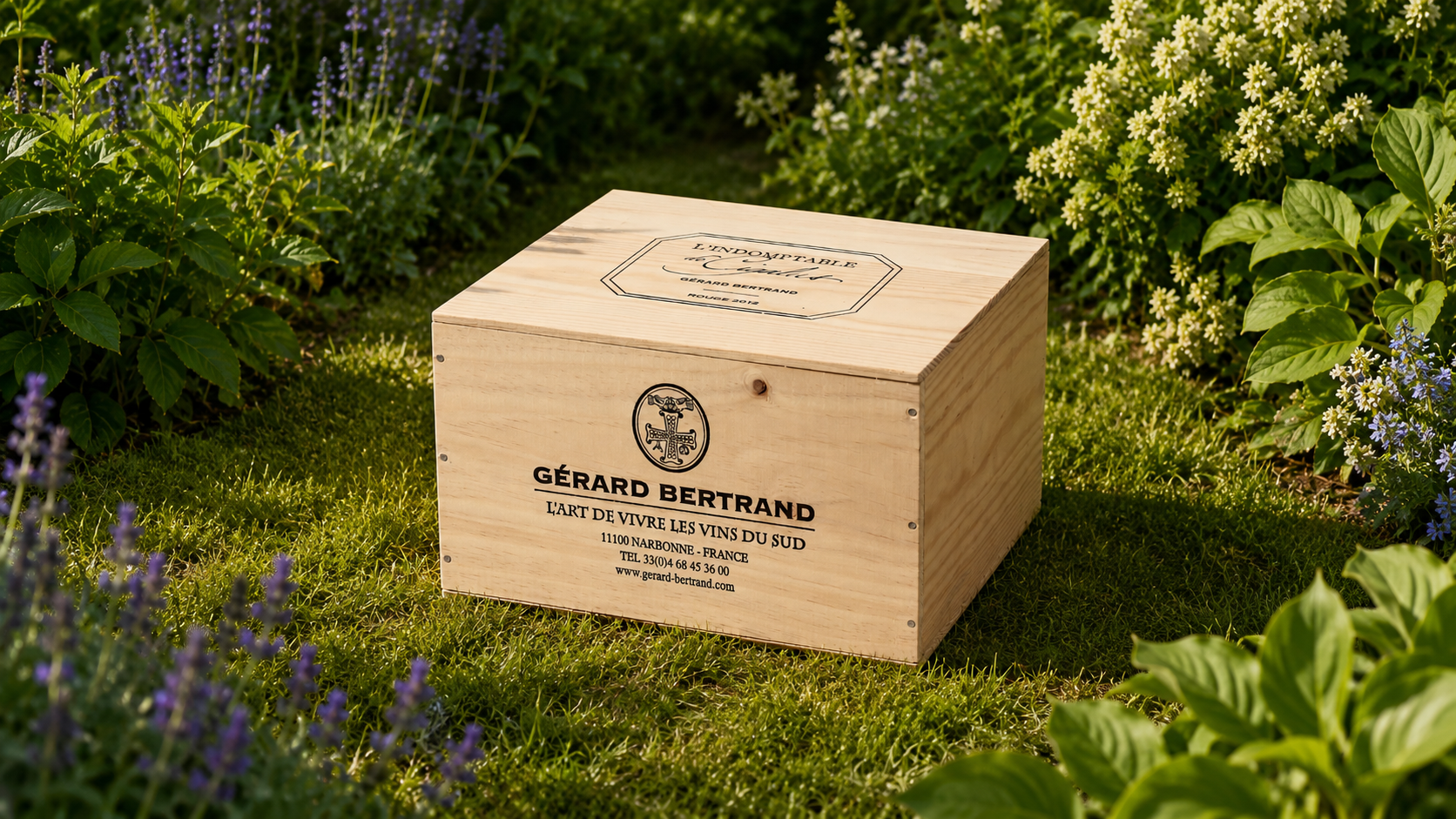
A Second Life for Our Wooden Crates
A fine example of reuse: in Germany, our wooden crates are finding a second life with an association committed to protecting bats.
Read the article