
The Bertrand family
How to read a wine label?
Choosing a good wine starts with its identity card: the label. But first you need to know how to read between the lines… So before setting your sights on the first bottle you come across, and to learn how to decipher the famous little rectangle, here is some information to get your teeth into.
Mandatory information
Bottling
To find out where and by whom the wine was bottled.
- "Bottled at" (château, property, estate…): bottled directly at its place of vinification
- "Bottled by" (producers, winegrowers, merchants, …): bottled by a cooperative
- "In the region of": bottled within the wine's appellation area
The appellation
This is one of the most important pieces of information on the label. A certified and controlled designation, the appellation is a guarantee of quality, awarded to wines that meet certain conditions (compliance with the specifications, preservation of the terroir). They are classified in ascending order of quality:
- WI (Without Geographical Indication)
- IGP (Protected Geographical Indication)
- AOC (Appellation d'Origine Contrôlée)
- AOP (Appellation d'Origine Protégée)
Capacity
Volume of wine contained in the bottle, indicated in L, cL or mL.
Alcohol content
This refers to the alcohol content, expressed in degrees or as a percentage of the total volume. Beyond the figure itself, it is a useful indicator for identifying a wine as lighter or fuller-bodied.
The pregnant woman pictogram
It appears right next to the alcohol content. This is a health warning representing the dangers of alcohol consumption for pregnant women.
Allergens
Lists the allergens present in the wine, such as sulphites (sulphur dioxide).
Optional information
The vintage
It indicates the year of the grape harvest. Quite useful when one knows that certain wines are better once they have aged well or when they have benefited from particular climatic conditions.
The name of the estate
This is mandatory for wines with a Geographical Indication.
The grape variety
The grape variety used in the making of the wine: single-varietal for one, multi-varietal for several.
Food and wine pairing suggestions
They are generally found on the back label (on the back of the bottle) and are used to suggest the dishes that will pair best with the wine.
Production information
"Aged in barrel", "Hand-harvested", "Old vines"… All of these provide additional information on the production methods.
Sugar content
Most often, the sugar content is indicated for white wines. Quite useful, as it allows one to distinguish between dry and medium-sweet.
Lot number
Expressed in letters and figures, it indicates the total quantity of products made in the same way.
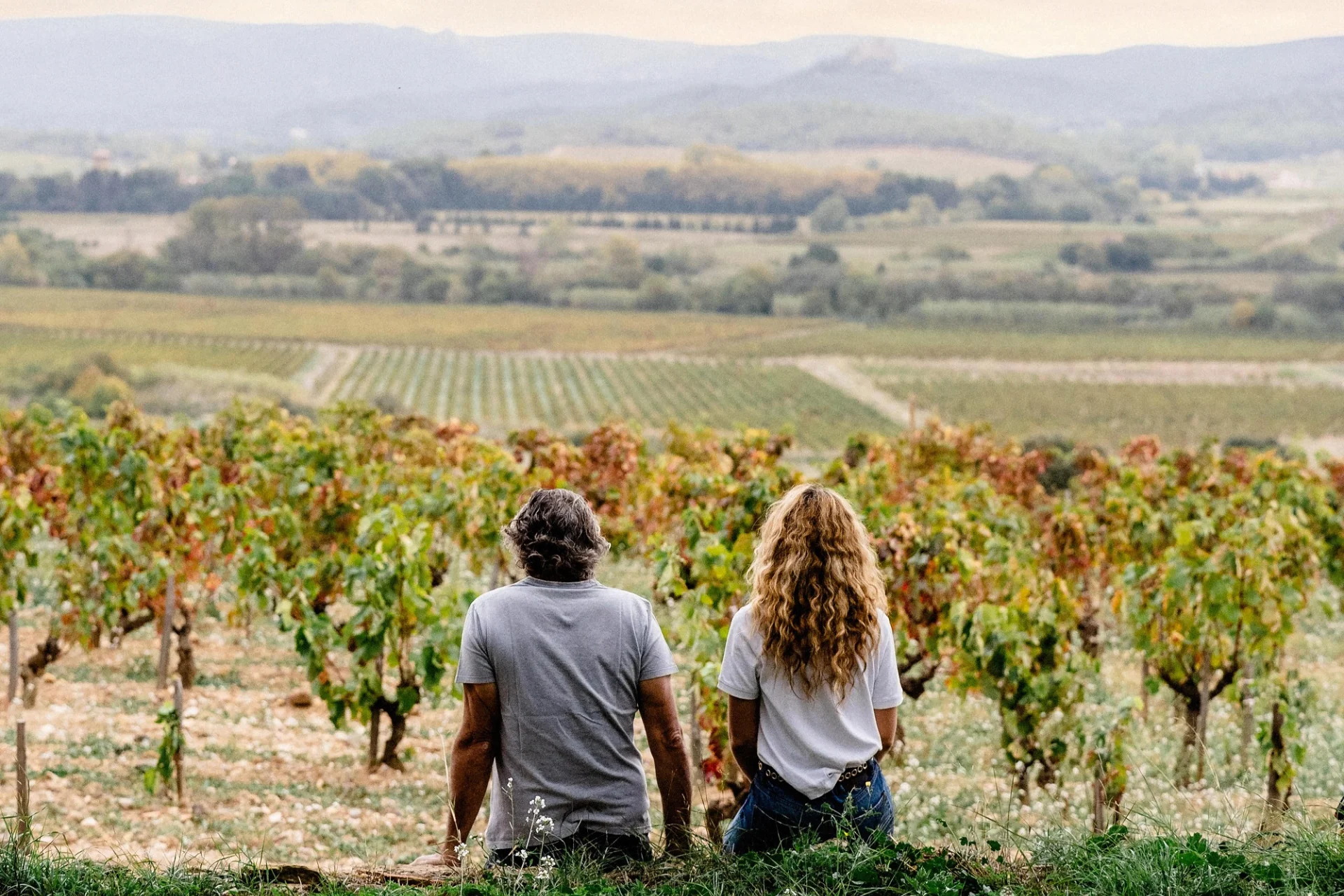
@studioarsene // Marie Ormières




1 comment
CHEZ GERARD BERTRAND, tout est parfait. ON s’y sent bien, le domaine est très agréable, Mr BERTRAND très sympathique et les festival jazz une pure beauté, j’y ai vu cette année mon idole IBRAHIM MAALOUF
Continuez et bien le bonjour à PATRICK au magasin, LAURA COULON ET KARINE HAMELIN pour leurs gentillesses respectives
jean pierre marie
Leave a comment
This site is protected by hCaptcha and the hCaptcha Privacy Policy and Terms of Service apply.